What material is commonly used for aroma bottles?
Jan 04, 2024
In recent years, there has been a notable surge in the popularity of aroma bottles, driven by an increasing number of individuals seeking to incorporate essential oils and various fragrances into their daily routines for the enhancement of both physical and emotional well-being. Aroma bottles play a crucial role in facilitating the diffusion of these scents, allowing users to enjoy the therapeutic benefits throughout the day.
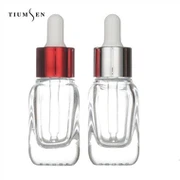
From the perspective of glass bottle manufacturers, the choice of materials for crafting aroma bottles presents several options. Glass emerges as one of the most prevalent choices, primarily owing to its resilience, non-porous surface, and its efficacy in preserving the aromatic properties of essential oils. Additionally, glass is considered an environmentally friendly option, given its capacity for recycling and reuse without compromising its structural integrity.
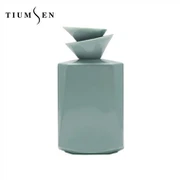
Ceramic stands out as another favored material in the production of aroma bottles. Often meticulously handcrafted, these bottles are available in a myriad of designs and colors, contributing to their aesthetic appeal and making them a stylish addition to any space. The reusability of ceramic bottles further positions them as a sustainable choice within the market.
While plastic aroma bottles exist as an alternative, they are less commonly employed due to their comparatively lower durability and diminished ability to retain the scent of essential oils over an extended period. Nonetheless, plastic bottles are often more cost-effective, catering to those with budget constraints and providing an accessible option in the market.

From the vantage point of glass bottle manufacturers, the utilization of glass in crafting aroma bottles represents a deliberate choice driven by its manifold advantages. The inherent durability of glass ensures that the aroma bottles can withstand the rigors of daily use, providing consumers with a long-lasting and reliable solution for diffusing essential oils. The non-porous nature of glass further contributes to its suitability for aroma bottles, as it prevents the absorption of previous scents and facilitates easy cleaning between uses.
Moreover, the ability of glass to preserve the aromatic properties of essential oils is a crucial consideration. Unlike some other materials, glass does not react chemically with the oils, ensuring that the fragrance remains pure and unaltered over time. This characteristic is particularly important for individuals who seek the therapeutic benefits associated with specific essential oils and wish to experience their unadulterated scents consistently.
The eco-friendly aspect of glass cannot be overstated. Glass is a fully recyclable material, and the production process involves minimal environmental impact. This aligns with the growing consumer consciousness regarding sustainability and environmental responsibility. The capacity for glass to be recycled and reused numerous times underscores its contribution to reducing the overall ecological footprint associated with aroma bottle manufacturing.
In essence, the preference for glass as a material in aroma bottle production is grounded in its robustness, inert properties, and eco-conscious attributes. Manufacturers recognize the significance of providing consumers with a reliable, long-lasting, and environmentally responsible product that enhances the overall experience of using essential oils through aroma bottles.