Four steps in glass bottle production
Oct 14, 2024

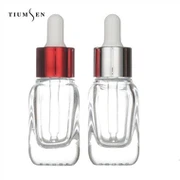
Glass bottles come in a variety of styles, from large bottles to small bottles, and are widely used as packaging containers for food, medicine, beverages, cosmetics, etc.
Glass bottles can be recycled and reused, and are a very safe and environmentally friendly packaging container. The production process of glass includes: batching, melting, molding, annealing and other processes.
According to the designed bill of materials, the ingredients of the glass bottle are weighed and mixed in a mixer after weighing. The main raw materials of glass are: quartz sand, limestone, feldspar, soda ash, boric acid, etc.
When the glass bottle is melted, the prepared raw materials are heated at high temperature to form a uniform and bubble-free glass liquid. This is a very complex physical and chemical reaction process. The melting of glass is carried out in a furnace.
The molding of glass bottles is to transform molten glass into a solid product with a fixed shape. Molding must be carried out within a certain temperature range. This is a cooling process. The glass first changes from a viscous liquid state to a plastic state, and then to a brittle solid state.
During the annealing of the glass bottle, the glass undergoes drastic temperature changes and shape changes during the molding process. This change will leave thermal stress in the glass. This thermal stress will reduce the strength and thermal stability of glass products. Glass bottle factories point out that if cooled directly, it is likely to break by itself during the cooling process or later during storage, transportation and use (commonly known as glass cold explosion).