why does perfume come in glass bottles?
May 29, 2024
The primary reasons why perfume is typically packaged in glass bottles are as follows:
Chemical Stability: Glass bottles offer excellent chemical stability, meaning they do not react with the ingredients in perfumes, such as essential oils or alcohol. This helps preserve the original scent and quality of the perfume. In contrast, plastic bottles can corrode when exposed to acidic or alkaline substances over time, potentially affecting the fragrance.
Prevention of Evaporation: Perfume is prone to evaporation, but glass bottles provide a good seal, effectively reducing evaporation and preserving the scent. This is particularly important for products that are volatile and can easily lose their fragrance.
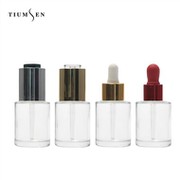
Transparency: The transparency of glass bottles allows consumers to see the color and level of the perfume at a glance, enhancing the product's appeal.
Aesthetic and Premium Appeal: Glass bottles have an elegant and sophisticated appearance, aligning with the positioning and brand image of high-end perfumes.
Environmental Friendliness: Although glass bottles are heavier and more prone to breakage, they do not contain harmful substances and are environmentally friendly. In comparison, plastic bottles can release harmful chemicals, impacting both the environment and human health.
The advantages of using glass bottles for perfumes include chemical stability, prevention of evaporation, transparency, aesthetic appeal, and environmental friendliness, making them the preferred choice for perfume packaging.
Comparative Study on the Chemical Stability of Glass and Plastic Bottles?
Studies comparing the chemical stability of glass and plastic bottles show significant differences between the two materials.
Glass bottles exhibit high chemical stability and resistance to corrosion. They do not leach hazardous chemicals into the contents, making them a safer choice for consumers and ensuring that the flavor and quality of the contents remain intact. Additionally, glass bottles maintain high chemical stability and resistance to corrosion in most natural environments. Although they decompose slowly, their stability can be affected in certain conditions, such as marine environments or exposure to extreme climates and chemicals.
In contrast, plastic bottles have lower resistance to chemicals and harsh conditions. Some plastics cannot withstand high temperatures, including UV radiation. This means that the chemical stability of plastic bottles can degrade over time when stored long-term or exposed to chemicals, potentially compromising the safety and quality of the contents.
Other research supports the chemical stability of glass bottles. Glass offers excellent protective properties, being impermeable to gases and moisture, providing UV shielding, and being non-toxic and odorless. These qualities make glass bottles the primary packaging choice for food, pharmaceuticals, and the chemical industry.
In summary, glass bottles have a significant advantage in chemical stability, while plastic bottles may exhibit poorer chemical stability under certain conditions.